
The Art of Sampling in Music Production
March 15, 2024
The Art of Sampling in Music Production
Music production has evolved significantly over the years, with the advent of digital technology and software allowing for a myriad of creative possibilities. One such technique that has gained prominence is the art of sampling. This article delves into the intricacies of sampling, its history, and its impact on the music industry.
What is Sampling?
Sampling involves the reuse of a portion or snippet of a sound recording in the creation of a new piece of music. This can include anything from a drum beat to a vocal phrase, or even a complete melody. Sampling has become an integral part of music production, allowing artists to blend different genres, create unique soundscapes, and pay homage to their influences.
History of Sampling
The roots of sampling can be traced back to the early 1980s when digital samplers became commercially available. These devices allowed producers to digitally store and manipulate recorded sounds, paving the way for a new era of music production. Early pioneers of sampling include artists like Afrika Bambaataa, who famously used a sample from the song "Apache" by Incredible Bongo Band in his track "Planet Rock."
Legal and Ethical Considerations
As sampling gained popularity, so did the legal and ethical questions surrounding its use. Many artists and record labels were concerned about copyright infringement, leading to numerous lawsuits and a greater emphasis on securing clearance for samples. Today, artists must navigate a complex legal landscape when incorporating samples into their work, often requiring permission from the original copyright holder and paying royalties.
The Creative Process
The process of sampling is not just about legalities; it's also a deeply creative endeavor. Here are some key steps involved in creating a sample-based track:
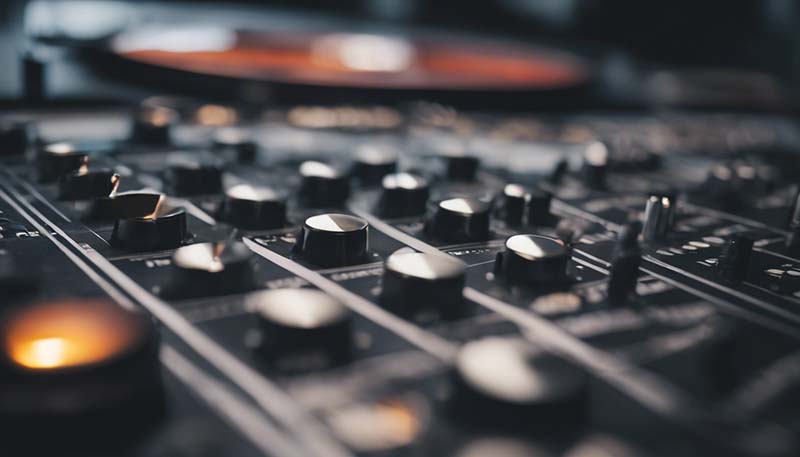
- Finding the Source Material: This can involve sifting through record collections, browsing online archives, or even recording new material.
- Choosing the Sample: Producers must identify the portion of the recording that will serve as the foundation for their new piece. This could be a distinctive rhythm, a memorable melody, or a unique vocal performance.
- Digitizing the Sample: Once the sample is chosen, it must be converted into a digital format that can be manipulated and integrated into a digital audio workstation (DAW).
- Manipulation and Processing: Producers can then alter the sample in various ways, such as changing its pitch, tempo, or adding effects like reverb or distortion.
- Layering and Arranging: The sample is then combined with other elements, such as additional samples, synthesized sounds, or live instruments, to create a full track.
Impact on Music Genres
Sampling has had a profound impact on various music genres, including hip-hop, electronic, and pop music. Here's a brief overview of its influence:
- Hip-Hop: Sampling has been a cornerstone of hip-hop production since the genre's inception, with artists like DJ Shadow and Public Enemy using it to craft innovative and socially conscious tracks.
- Electronic Music: In genres like trip-hop and drum and bass, sampling has been used to create atmospheric soundscapes and driving rhythms. Artists like Massive Attack and The Prodigy have pushed the boundaries of what's possible with samples.
- Pop Music: Sampling has also made its way into the pop mainstream, with artists like Madonna and Kanye West incorporating samples into their chart-topping hits.
Contemporary Sampling Techniques
With the rise of software and digital technology, sampling has become more accessible and versatile than ever. Here are some contemporary techniques that producers are using:
- Chopped and Screwed: This technique involves drastically slowing down and pitch-shifting a sample to create a dreamy, hypnotic effect, popularized by artists like DJ Screw.
- Granular Synthesis: This method allows producers to manipulate samples at the level of individual grains of sound, enabling the creation of intricate textures and new sonic possibilities.
- Live Sampling: Some artists use samplers and software to manipulate samples in real-time during live performances, adding an element of spontaneity and interactivity to their shows.
Conclusion
Sampling has become an essential tool in the music producer's arsenal, allowing for the creation of innovative and genre-defying tracks. As technology continues to evolve, the art of sampling will undoubtedly continue to push the boundaries of what's possible in music production.
For aspiring producers, understanding the legal, ethical, and creative aspects of sampling is crucial. By embracing the art of sampling, you can tap into a wealth of creative possibilities and contribute to the rich tapestry of modern music.

Comment