
The Role of Ambient Music in Today's Production
May 15, 2024
Ambient music has been an important part of the music industry for decades, and its influence can be heard in many different types of productions today. From film and television soundtracks to video games and even corporate events, ambient music plays a key role in setting the mood and creating a sense of atmosphere. In this article, we will explore the role of ambient music in today\'s production and how it continues to evolve and adapt to new technologies and trends.
The Origins of Ambient Music
Ambient music first emerged in the 1970s as a genre that focused on creating a sense of space and atmosphere through the use of synthesizers, tape loops, and other electronic instruments. Pioneers like Brian Eno, who is often credited with coining the term \"ambient music,\" sought to create immersive soundscapes that could be listened to in the background while still providing a rich and engaging experience for the listener.
The Evolution of Ambient Music
Over the years, ambient music has evolved and expanded to include a wide range of styles and influences. From the more experimental and avant-garde sounds of artists like Aphex Twin and Autechre to the more accessible and melodic compositions of groups like The Album Leaf and Tycho, ambient music has proven to be a versatile and dynamic genre that can be adapted to many different contexts.
The Role of Ambient Music in Film and Television
One of the most prominent uses of ambient music in today\'s production is in the world of film and television. Composers like Hans Zimmer and Clint Mansell have used ambient music to create a sense of tension and atmosphere in their scores, while filmmakers like David Lynch and Terrence Malick have incorporated ambient soundscapes into their films to create a dreamlike and otherworldly quality.
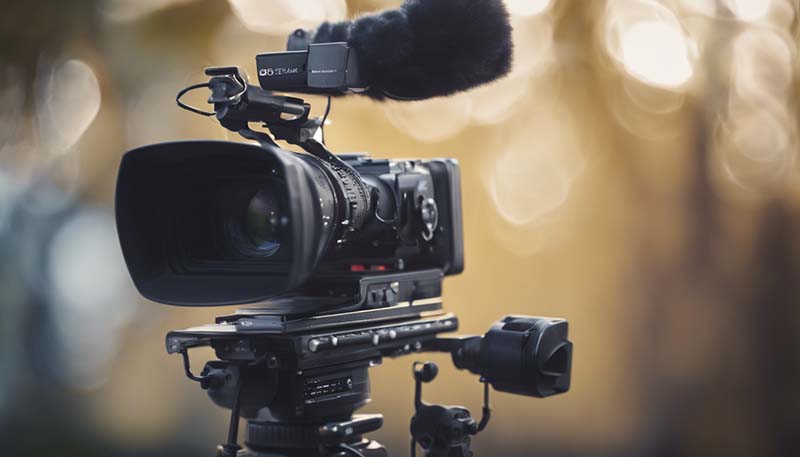
In addition to traditional scoring, ambient music is also used extensively in television shows and commercials to create a sense of mood and ambiance. From the soothing and calming sounds of nature documentaries to the more intense and dramatic sounds of action and thriller shows, ambient music plays a key role in setting the tone and creating an immersive viewing experience.
The Role of Ambient Music in Video Games
Another area where ambient music has made a significant impact is in the world of video games. From the atmospheric soundscapes of games like Journey and The Legend of Zelda: Breath of the Wild to the more experimental and avant-garde sounds of games like Katamari Damacy and Hotline Miami, ambient music has become an integral part of the gaming experience.
In addition to providing a sense of atmosphere and immersion, ambient music is also used in video games to create a sense of tension and excitement, as well as to signal important events and transitions within the game. By carefully crafting and layering different sounds and textures, composers can create a rich and engaging soundscape that enhances the overall experience for the player.
The Role of Ambient Music in Corporate Events and Branding
Ambient music has also found a place in the world of corporate events and branding. From creating a calm and soothing atmosphere in hotel lobbies and waiting rooms to providing a sense of excitement and energy at product launches and trade shows, ambient music can be used to create a specific mood and atmosphere that aligns with a brand\'s image and values.
In addition to traditional music, many companies are also using generative music and algorithmic compositions to create unique and dynamic soundscapes that adapt and evolve over time. By using these innovative techniques, companies can create a truly immersive and memorable experience for their customers and clients.
The Future of Ambient Music in Production
As technology continues to evolve and new platforms and mediums emerge, the role of ambient music in today\'s production is likely to continue to expand and adapt. With the rise of virtual reality and augmented reality, there is an increasing demand for immersive and interactive soundscapes that can provide a truly engaging and immersive experience for the user.
In addition to these emerging technologies, there is also a growing interest in the use of ambient music for relaxation and meditation, with many companies and apps offering guided meditation sessions and relaxation soundtracks that incorporate ambient music and soundscapes.
Conclusion
Ambient music has played a key role in shaping the soundscape of today\'s production, from film and television to video games and corporate events. With its ability to create a sense of atmosphere and mood, ambient music continues to be an important and versatile tool for composers, producers, and designers. As technology continues to evolve and new platforms and mediums emerge, the role of ambient music in today\'s production is likely to continue to expand and adapt, providing new opportunities for innovation and creativity.
In conclusion, the role of ambient music in today\'s production is multifaceted and continues to evolve. From its origins in the 1970s to its current role in film, television, video games, and corporate events, ambient music has proven to be a versatile and dynamic genre that can be adapted to many different contexts. As technology continues to advance and new platforms and mediums emerge, the role of ambient music in today\'s production is likely to continue to expand and adapt, providing new opportunities for innovation and creativity.

Comment