
Exploring the World of Orchestral Music Production
May 21, 2024
Exploring the World of Orchestral Music Production
Orchestral music production is an intricate and rewarding process that involves the creation of music using a large instrumental ensemble typical of the classical tradition.This article delves into the various aspects of producing orchestral music,from composition to recording and mixing.
Composition
The journey begins with the composer,who creates the musical score.This score serves as the blueprint for the orchestra.Composition involves not only the melody and harmony but also the dynamics,articulation,and expression that will bring the music to life.
Instrumentation
Choosing the right combination of instruments is crucial.An orchestra typically includes strings,woodwinds,brass,and percussion sections.
Each instrument has a unique timbre and range that contributes to the overall sound of the piece.Rehearsal
Once the score is complete,the music is rehearsed by the orchestra.Rehearsals are where the conductor and musicians interpret the score,refine the performance,and work out any technical challenges.
The Role of the Conductor
The conductor is the bridge between the composer and the musicians.They lead the orchestra through the music,ensuring that the performance aligns with the composer's intentions and that the ensemble plays together cohesively.
Recording
When the orchestra is ready,the music is recorded.Modern recording techniques allow for a high level of precision and control over the final sound.
Microphone Placement
Proper microphone placement is essential for capturing the full spectrum of the orchestra's sound.
Different sections of the orchestra may require different microphone types and placements to achieve a balanced recording.Recording Sessions
Recording sessions are often conducted in a purpose-built studio or concert hall to take advantage of the natural acoustics.Musicians record their parts,sometimes in sections,to ensure the highest quality performance.
Mixing and Mastering
The recorded tracks are then mixed and mastered.Mixing involves adjusting the balance,panning,and effects of each instrument to create a cohesive sound.Mastering finalizes the sound,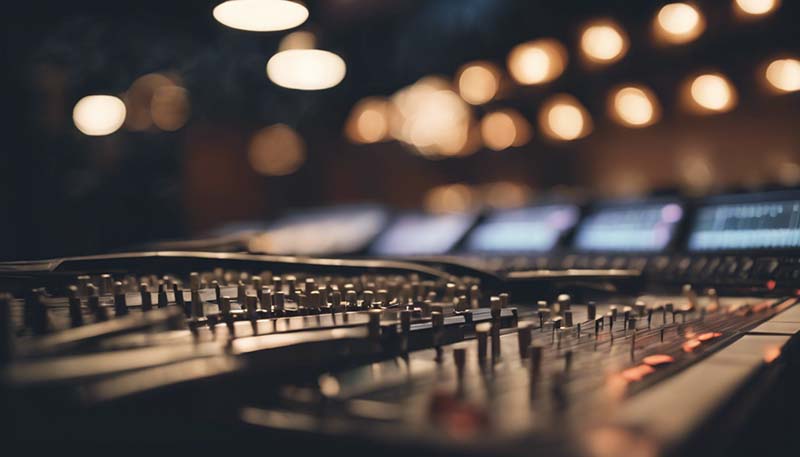 ensuring it translates well across different playback systems.
Technical Considerations
Orchestration and recording techniques have evolved with technology.Digital audio workstations (DAWs) and virtual instruments allow producers to simulate orchestral sounds,though nothing replaces the warmth and complexity of a live orchestra.
Distribution and Performance
After production,the orchestral piece can be distributed in various formats,including physical media like CDs,digital downloads,or streaming platforms.Live performances remain a significant aspect of orchestral music,allowing audiences to experience the music firsthand.
The Impact of Technology
Technology has democratized music production,allowing independent artists to produce orchestral works with a smaller budget.However,the full grandeur of an orchestra can only be truly appreciated live or through high-quality recordings.
Conclusion
Orchestral music production is a complex process that requires a deep understanding of music theory,the capabilities of the orchestra,and the technical aspects of recording and production.It is a collaborative effort that,when done well,can result in some of the most moving and powerful music in the world.
As the industry evolves,the tools and techniques available to composers and producers continue to expand,opening up new possibilities for orchestral music creation and appreciation.

Comment