
The Evolution of the Music Producer's Role in the Industry
June 25, 2024
The Evolution of the Music Producer's Role in the Industry
The role of the music producer has evolved significantly over the years,adapting to changes in technology,the music industry,and the creative process.This article explores the historical context,key developments,and the current state of the music producer's role,as well as looking ahead to the future.
Early Days of Music Production
The concept of a music producer can be traced back to the early 20th century when the recording industry was in its infancy.Initially,producers were responsible for managing the technical aspects of recording,such as setting up microphones and ensuring the quality of the sound.They were more technicians than creative collaborators.
The Rise of the Creative Producer
As the music industry grew and recording technology advanced,
the role of the producer began to expand.Producers like Phil Spector in the 1960s started to take on a more creative role,crafting the overall sound and direction of a recording.They worked closely with artists to develop their songs,often contributing to arrangements and performances.The 1970s and 1980s: The Producer as a Collaborator
In the 1970s and 1980s,the role of the music producer continued to evolve.Producers became essential collaborators,working with artists to shape their music and create a unique sound.Names like Quincy Jones,George Martin,and Brian Eno were celebrated for their ability to bring out the best in the artists they worked with.
The Digital Revolution
The advent of digital recording and production tools in the late 20th century revolutionized the music industry.Producers were no longer tied to expensive studio equipment,and the cost of recording music dropped significantly.
This democratization of production allowed a new generation of producers to emerge,many of whom were also artists in their own right.The 21st Century: The Multi-Hyphenate Producer
In the 21st century,the role of the music producer has become even more diverse.Producers are now expected to be multi-talented,often wearing many hats throughout the production process.They may be involved in songwriting,arranging,engineering,mixing,and even marketing and branding.The rise of electronic dance music (EDM) and hip-hop has also led to a new breed of producer who is also a performer and DJ.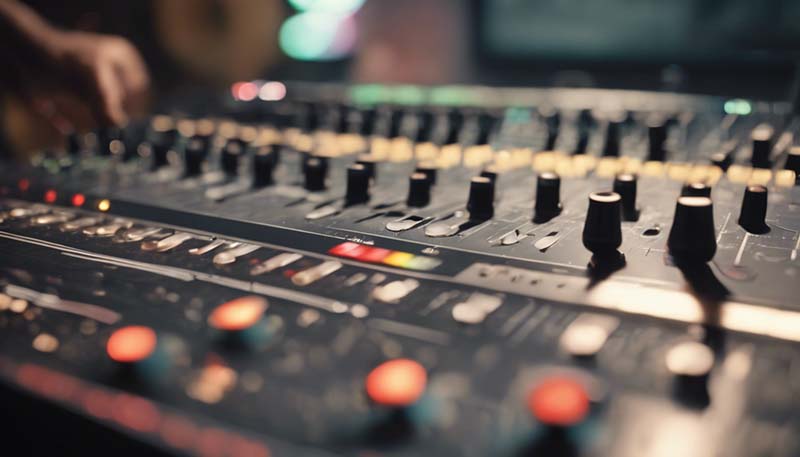
The Impact of Streaming and Social Media
Streaming platforms and social media have further changed the landscape for music producers.The ability to reach a global audience with just a few clicks has led to an increase in competition but also new opportunities for exposure.Producers must now consider how their work will be consumed on various platforms and adapt their production strategies accordingly.
The Future of Music Production
As technology continues to evolve,so too will the role of the music producer.The rise of artificial intelligence and virtual reality presents new challenges and opportunities for producers.The need for creative vision,technical expertise,and an understanding of the ever-changing music industry will remain essential.
Conclusion
The music producer's role has transformed from a technical overseer to a creative force and multi-faceted collaborator.As the industry continues to evolve,producers must adapt and grow,embracing new technologies and trends while staying true to their artistic vision.
Note: This article is a simplified overview of a complex and nuanced topic.The music industry is vast,and the experiences of music producers can vary widely based on factors such as genre,location,and individual career paths.

Comment