
Building a Music Production Studio: A Step-by-Step Guide
July 4, 2024
Building a Music Production Studio: A Step-by-Step Guide
Welcome to our comprehensive guide on building a music production studio from scratch.This step-by-step guide will walk you through the entire process,from planning to setting up your space,selecting equipment,and getting your studio up and running.
Step 1: Define Your Goals and Budget
Before you start,it's crucial to know what you want to achieve with your studio and how much you're willing to invest.Consider the following:
- Purpose: Are you producing music professionally,or is it a hobby?
- Budget: How much are you prepared to spend initially and over time?
- Space: How much space do you have available for your studio?
Step 2: Choose Your Studio Location
The location of your studio can greatly affect the quality of your recordings.
Consider these factors:- Acoustics: Choose a room with minimal outside noise and good internal acoustics.
- Size: Bigger is not always better; find a balance between space and acoustic control.
- Accessibility: Make sure the space is easily accessible for you and any collaborators.
Step 3: Acoustic Treatment
Proper acoustic treatment is essential for a professional-sounding studio.Here's what you need to do:
- Bass Traps: Install bass traps in the corners to handle low-frequency sounds.
- Acoustic Panels: Use acoustic panels on the walls to reduce echoes and reverberation.
- Diffusers: Consider using diffusers to scatter sound and prevent standing waves.
Step 4: Select and Purchase Equipment
Your choice of equipment will depend on your goals and budget.
Here are the essentials:- Audio Interface: The bridge between your digital audio workstation (DAW) and the physical instruments.
- Studio Monitors: Accurate speakers for monitoring your mixes.
- Mic Preamps: Essential for high-quality microphone recordings.
- Microphones: A variety of microphones for different recording applications.
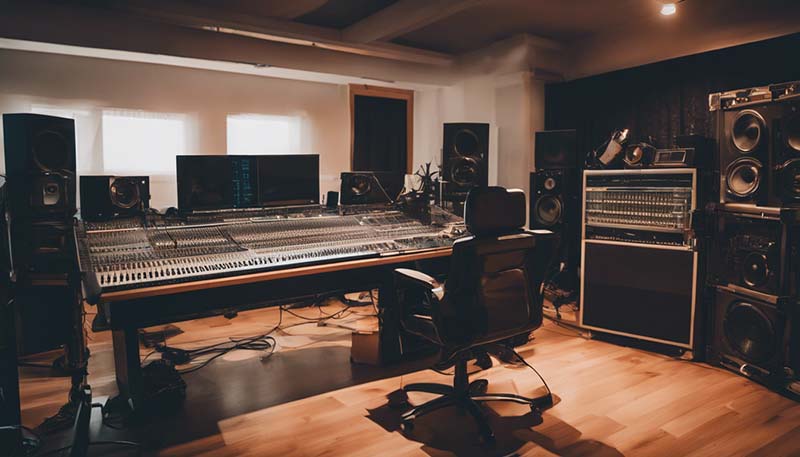
- Headphones: Closed-back headphones for tracking and open-back for mixing.
- DAW: Digital audio workstation software for recording,editing,and producing music.
Step 5: Set Up Your Workspace
Arrange your equipment in a way that promotes efficiency and comfort:
- DAW Station: Position your computer and monitor for optimal viewing and access.
- Console or Desk: Ensure you have a comfortable and sturdy surface for your gear.
- Cable Management: Use cable organizers to keep your workspace tidy.
- Seating: Invest in an ergonomic chair to maintain comfort during long sessions.
Step 6: Install and Configure Your DAW
Setting up your DAW involves more than just installing the software:
- Software Installation: Follow the manufacturer's instructions for installation.
- Plugin Compatibility: Ensure you have the necessary plugins and that they're compatible with your DAW.
- Template Creation: Create a template with your preferred settings for quick project starts.
- Customize Workflow: Tailor your DAW's layout and settings to your workflow.
Step 7: Test Your System
Before you start making music,test your entire system to ensure everything is working correctly:
- Audio Routing: Check that all audio signals are routing correctly.
- Monitor Levels: Set appropriate monitor levels to avoid distortion or ear fatigue.
- Mic Testing: Test all microphones for sound quality and feedback issues.
- Headphone Mix: Ensure your headphone mix is clear and balanced.
Step 8: Develop a Workflow
Having a consistent workflow can save you time and improve your efficiency:
- Session Start: Establish a routine for starting a new session.
- Organization: Keep your files and projects organized for easy access.
- Backup: Regularly back up your work to avoid data loss.
- Review and Reflect: Periodically review your workflow and make improvements as needed.
Step 9: Continue Learning and Upgrading
Music production is a constantly evolving field.Keep your skills and equipment up to date:
- Education: Stay informed about new techniques and trends in music production.
- Software Updates: Keep your DAW and plugins updated for the latest features.
- Equipment Upgrades: Plan for periodic upgrades to your gear as your budget allows.
- Networking: Connect with other producers and engineers to share knowledge and experiences.
Step 10: Legal Considerations
Ensure your studio is legally compliant and that you understand the industry's rules and regulations:
- Copyright Law: Understand the basics of copyright law as it pertains to music production.
- Music Licensing: Know the requirements for licensing music for commercial use.
- Contracts: Learn how to draft and understand contracts for clients and collaborators.
- Tax Implications: Consult with a professional about the tax implications of running a studio.
Building a music production studio is an exciting venture that requires careful planning,investment,and continuous learning.By following these steps,you'll be well on your way to creating a space where you can produce music professionally and efficiently.

Comment